Lower Body Pain: Causes, Symptoms and Treatment Options
Written and medically reviewed by
Dr Dinesh Sirisena
Consultant in Sports, Exercise & Musculoskeletal Medicine
Triaxis Sports & Joint Clinic
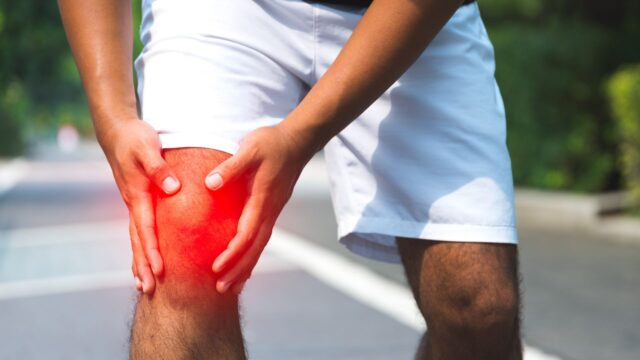
Lower body pain can affect the hips, thighs, knees, legs, ankles or feet and may interfere with walking, exercise, work or sporting activities. It can result from injuries, overuse, joint conditions, tendon disorders or nerve-related problems. Depending on the individual’s condition and clinical assessment, management options may include education, activity modification, rehabilitation and, where appropriate, image-guided procedures as part of a broader management plan.
Key Points at a Glance
- Lower body pain can involve muscles, tendons, joints, ligaments or nerves.
- Pain may develop suddenly after an injury or gradually with repeated activity.
- Hip, knee, ankle and foot conditions often produce similar symptoms.
- Clinical assessment helps identify the structure contributing to pain.
- Imaging is not required for every patient.
- Rehabilitation often plays an important role in recovery.
- Some persistent conditions may require additional investigations or procedures.
- Early assessment may help guide appropriate management and return to activity.
What is lower body pain?
Lower body pain refers to discomfort affecting the hips, pelvis, thighs, knees, lower legs, ankles or feet. Symptoms may arise from muscles, joints, tendons, ligaments, bones or nerves. Because several structures work together during movement, identifying the source of pain usually requires a clinical assessment.
Lower body pain is common among people of all ages. Some people develop symptoms after a sporting injury, while others notice pain gradually after repetitive activities such as walking, running or standing for long periods.
Pain can range from mild discomfort to symptoms that interfere with work, exercise and daily activities. Understanding the underlying cause helps guide appropriate management.
Where is lower body pain usually felt?
Lower body pain may occur in one specific area or involve several regions at the same time. The location of symptoms can provide useful information during a clinical evaluation, although pain may sometimes be referred from another part of the body.
Common locations include:
- Hip and groin
- Buttock
- Thigh
- Knee
- Shin
- Calf
- Achilles tendon
- Ankle
- Heel
- Sole of the foot
- Toes
Sometimes pain originates from the lower back or pelvis before being felt in the leg.
What causes lower body pain?
Lower body pain has many possible causes. Some conditions involve muscles or tendons, while others affect joints, cartilage, ligaments, nerves or bones. A thorough assessment helps determine which structures may be contributing to symptoms.
Common causes include:
- Muscle strains
- Tendon injuries
- Ligament sprains
- Joint irritation
- Osteoarthritis
- Meniscus injuries
- Cartilage injuries
- Plantar fasciitis
- Achilles tendinopathy
- Stress fractures
- Nerve irritation
- Hip bursitis
- Sacroiliac joint dysfunction
Overuse injuries frequently develop gradually, whereas traumatic injuries often occur suddenly after twisting, falling or sporting activities.
Who is more likely to develop lower body pain?
Lower body pain can affect anyone. However, certain occupations, sporting activities and medical conditions may increase the likelihood of developing symptoms.
Risk factors include:
- Increasing age
- Running sports
- Football
- Tennis
- Basketball
- Badminton
- Hiking
- Occupations involving prolonged standing
- Repetitive lifting
- Reduced muscle strength
- Previous injuries
- Diabetes
- Obesity
- Reduced flexibility
Understanding these factors helps guide both management and future injury prevention.
Can lower body pain improve without surgery?
Many causes of lower body pain can improve with non-surgical management. Depending on the diagnosis, education, activity modification, rehabilitation and gradual return to activity may be appropriate. Surgery is not required for every condition.
Recovery varies according to:
- The underlying diagnosis
- Severity
- Duration of symptoms
- Activity level
- Overall health
Persistent symptoms should be reviewed by a healthcare professional.
How is lower body pain assessed?
Assessment begins with understanding your symptoms, medical history and activity level. A physical examination helps identify the structures that may be contributing to pain and guides further management.
Assessment may include:
- Medical history
- Pain location
- Movement assessment
- Muscle strength
- Joint range of motion
- Functional testing
- Walking assessment
- Sporting history
- Previous injuries
A clinical assessment also considers whether pain may originate from another area, such as the lower back.

Do I need an X-ray, MRI or ultrasound?
Not everyone requires imaging. Depending on the individual’s symptoms and examination findings, imaging may be considered to provide additional information or to exclude certain conditions.
Different imaging methods provide different information.
X-rays evaluate bones and joint alignment.
MRI provides detailed images of cartilage, ligaments, tendons and muscles.
Musculoskeletal ultrasound allows real-time assessment of tendons, muscles, ligaments and selected joints. It may also assist with dynamic examination during movement.
The most appropriate imaging depends on the clinical situation.
What treatment options are available for lower body pain?
Management depends on the underlying diagnosis rather than the location of pain alone. A personalised management plan may include education, rehabilitation and, where appropriate, image-guided procedures.
Management options may include:
- Activity modification
- Rehabilitation
- Strengthening exercises
- Flexibility exercises
- Balance training
- Running assessment
- Sports-specific rehabilitation
- Patient education
- Return-to-sport planning
Depending on the individual’s condition and clinical assessment, certain ultrasound-guided procedures may be considered as part of a broader management plan.
What non-surgical interventions are available for lower body pain?
Many lower limb conditions can be treated without surgery. Alongside rehabilitation, a range of image-guided injections and minimally invasive procedures can help reduce pain and support healing. These are chosen according to the specific diagnosis and are usually delivered under ultrasound guidance for accuracy and safety.
Depending on the condition, options may include:
Corticosteroid injection — a steroid injection can reduce inflammation and settle a painful flare, for example in bursitis or joint irritation. It often creates a window to progress rehabilitation, although the effect can be temporary, so it is used selectively.
Platelet-rich plasma (PRP) — PRP uses a concentrate of your own blood to deliver growth factors that support healing. It is often considered for tendon problems such as gluteal, patellar or Achilles tendinopathy, and for selected ligament or joint injuries.
Prolotherapy — this involves injecting a mild irritant solution, commonly dextrose, to stimulate the body’s own local healing response. It may be considered for some persistent tendon, ligament or joint pain.
Tenex (ultrasound-guided percutaneous tenotomy) — a minimally invasive procedure that uses ultrasonic energy through a small probe to remove degenerated tendon tissue without open surgery. It may help chronic tendon problems that have not settled with other measures.
These treatments are most effective as part of a broader plan that includes rehabilitation, and the right choice depends on the diagnosis, how long symptoms have been present and your goals. Ultrasound guidance helps place each treatment precisely and safely, and as with any procedure the potential benefits and limitations should be discussed beforehand.
What activities may make lower body pain worse?
Symptoms may become more noticeable during activities that place greater load on the affected structures. However, the activities that aggravate pain vary depending on the underlying condition.
Examples include:
- Running
- Jumping
- Squatting
- Stair climbing
- Walking long distances
- Standing for prolonged periods
- Lifting
- Sporting activities involving sudden changes in direction
Identifying aggravating activities helps guide rehabilitation planning.
When should I seek medical assessment?
A clinical assessment may be helpful if lower body pain persists, interferes with daily activities or sporting participation, or develops after a significant injury. Early assessment can help identify the likely cause and guide appropriate management.
Seek assessment if:
- Pain persists beyond several weeks
- Walking becomes difficult
- Joint swelling develops
- Symptoms recur repeatedly
- Numbness or weakness occurs
- Pain affects work or sport
- Night pain continues
- Symptoms worsen despite self-management
How does Triaxis Sports & Joint Clinic assess lower body pain?
Triaxis Sports & Joint Clinic provides assessment for musculoskeletal conditions affecting the hips, knees, ankles and feet. Clinical evaluation focuses on identifying the structures contributing to symptoms and developing an individualised management plan.
Assessment may include:
- Sports medicine consultation
- Musculoskeletal assessment
- Sports ultrasound where appropriate
- Movement analysis
- Rehabilitation planning
- Patient education
- Shared decision-making
Management recommendations are based on clinical findings, activity goals and the individual’s overall health.
Frequently Asked Questions Lower Body Pain
Can lower body pain come from my back?
Yes. Some spinal conditions can refer pain into the buttock, thigh or leg. A clinical assessment helps determine whether symptoms originate from the lower back or from the hip, knee, ankle or foot.
Is walking good for lower body pain?
Walking may be appropriate for some conditions but may aggravate others. The type, duration and intensity of activity should be adjusted according to the diagnosis and current symptoms.
Can sports injuries cause long-term lower body pain?
Some injuries may continue to cause symptoms if they do not recover fully or if rehabilitation is incomplete. Ongoing pain should be assessed to identify contributing factors.
Do I always need an MRI?
No. Imaging is recommended only when it is likely to influence diagnosis or management. Many conditions can initially be assessed through a detailed clinical examination.
Can ultrasound diagnose tendon injuries?
Musculoskeletal ultrasound may help evaluate many tendon, muscle and ligament conditions. It also allows dynamic assessment during movement for selected injuries.
What is the most common cause of lower body pain?
There is no single cause. Common conditions include muscle strains, tendon disorders, ligament injuries, joint conditions and overuse injuries.
When can I return to sport?
Return to sport depends on the diagnosis, symptom progression, functional recovery and rehabilitation goals. Activity progression is usually gradual and based on clinical assessment.
Can lower body pain be prevented?
Maintaining strength, flexibility, appropriate training loads and adequate recovery may help reduce the likelihood of some lower limb injuries. Prevention strategies vary according to the sport and individual risk factors.
About the Author
Dr Dinesh Sirisena is a Consultant in Sports, Exercise & Musculoskeletal Medicine with clinical interests in musculoskeletal assessment, sports injuries, sports ultrasound and rehabilitation planning.
Medical Disclaimer
This information is intended for general educational purposes only and should not replace professional medical advice, diagnosis or treatment. If you have persistent, worsening or concerning symptoms, please consult a qualified healthcare professional for an individual assessment.